
An overly competitive child can find even the simplest of games (like Hide and Seek) stressful and overwhelming. The desire to always win or to always be first or the best can spoil family time, friendships and create sibling rivalry. And it can all end up in meltdowns, tantrums and big feelings of loss. Here are my 5 tips to start helping your sore loser enjoy playing games again.
Read our Sibling Rivalry story here.
Stop Your Overly Competitive Child from Spoiling Game Night
1. Look at yourself...
This might be the time to ask yourself if you are a sore loser? Do you love the thrill of winning? Are you in control of your competitive edge when you play with your children? What behaviours are you displaying when you win or lose that your child might be copying? Our own children can be the most uncomfortable mirrors to look into.
Take a moment to decide how you want your child to behave when they lose and start doing it yourself. If you want them to congratulate their sibling on a good win – then do it yourself. If you feel sad when you lose – tell them and ask for a hug. Encourage everybody who played to tell you what they did well and what they found frustrating and share your own thoughts on your game. If you think your own behaviour is influencing your child’s competitive streak, then it’s time to change.
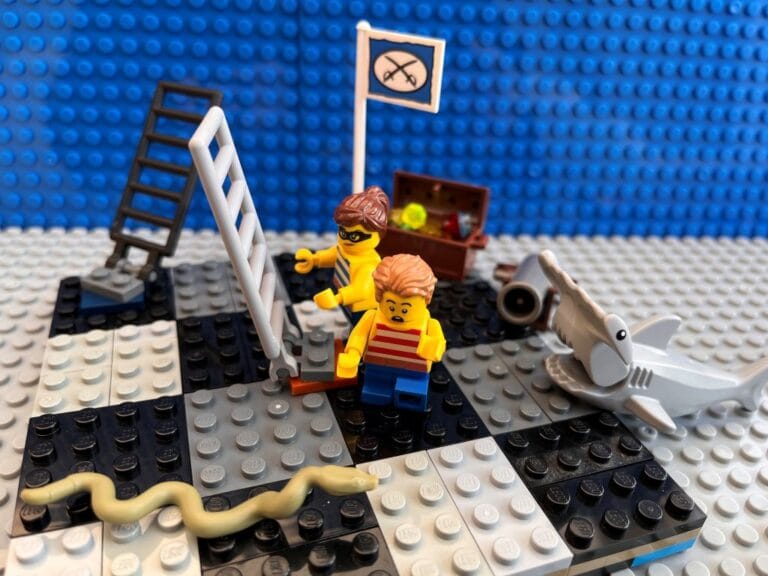
2. One-on-One
Several blogs and articles promote one-one-one time with competitive children or those really struggling with losing. The idea is that you create a safe space with your child where they create the rules of the game. By giving them this control, then can engineer winning to their heart’s content and experience the thrill of winning. Thus hopefully reducing the need the ‘to win’ or experience this thrill.
The key to this approach is to set expectations before you start. To make it clear that this is a special, unique game time that gives them some control over the concept of winning and losing. It also removes the element of sibling rivalry as you can keep play totally at their developmental level. And finally it has the potential to offer a bit of quality time between yourself and your child without the stress of winning or teaching them about losing.
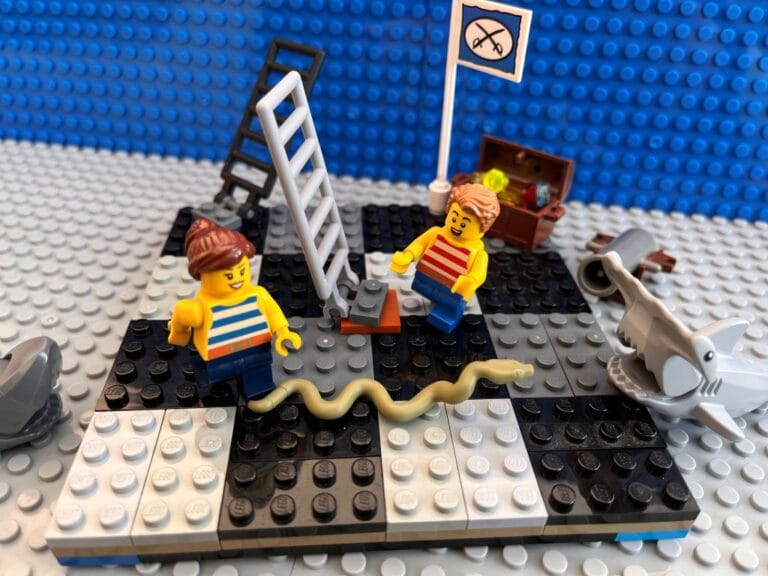
3. Change the Game...
Sometimes we all need a break from a competitive child (or adult for that matter!) Sometimes there is benefit in taking a break from all the stress and anxiety about winning or losing. If it’s a particular game that is triggering your child, put it away for a bit.
There are also great co-operative games now that enable you all to work as a team – the great part being is that you either all win together or all lose together. It’s a good reminder that growing up is hard and sometimes you just need to take a break for a few months before trying again when everyone is more refreshed.
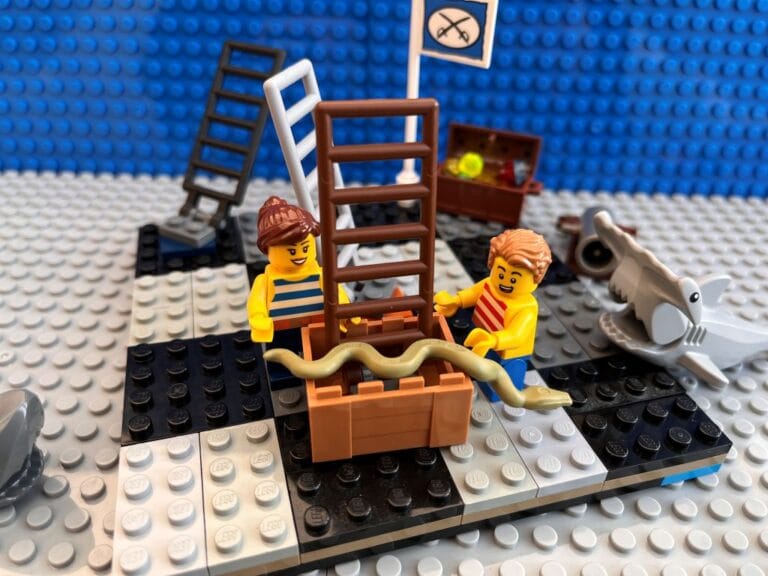
4. Don't Give Up...
It is always tempting when you know your child is a sore-loser to not play games with them. I think this is probably more true of the uncompetitive parent. If that’s you and deep down you do not understand why winning is so crucial to your child – don’t give up on them.
Overly competitive children have so much potential, so much drive to do better and they have a lot of determination. These are all great qualities that you would be proud of. They just need a bit of help right now in how to channel and manage these aspects of their personality. And that’s where you come in.

5. Share Your Story... Before, During & After!
One of the great ways to help a sore-loser is to set expectations. Talk about the game, how you are feeling, how they are feeling before you begin. Choose a different game if you realise that everyone is a bit too tired right now.
And again during the game – check in with each other to see how everyone is coping. Has everyone still got the fun? Have a code-word for time-out if it’s all getting too much.
And again after. How is everyone doing? What did we achieve? How could we do it better? What went wrong? What went right? Can we find the ‘thrill’ feeling even if we lost?
Help Your Overly Competitive Child with a Little Bit of Practice
As my children have gotten older, I have found that they were both overly competitive around the ages of 5 to 10. Here is an article that address how you can help turn your sore loser into a gracious one with a little bit of practice.
Coping with disappointment can be hard at any age. Read our 5 Ways to Cope with Disappointment here.
DISCLAIMER: The Lego Group of Companies does not sponsor, authorise or endorse this site.